









Products
Navigation
Send Us A Message
Sodium Hydroxide
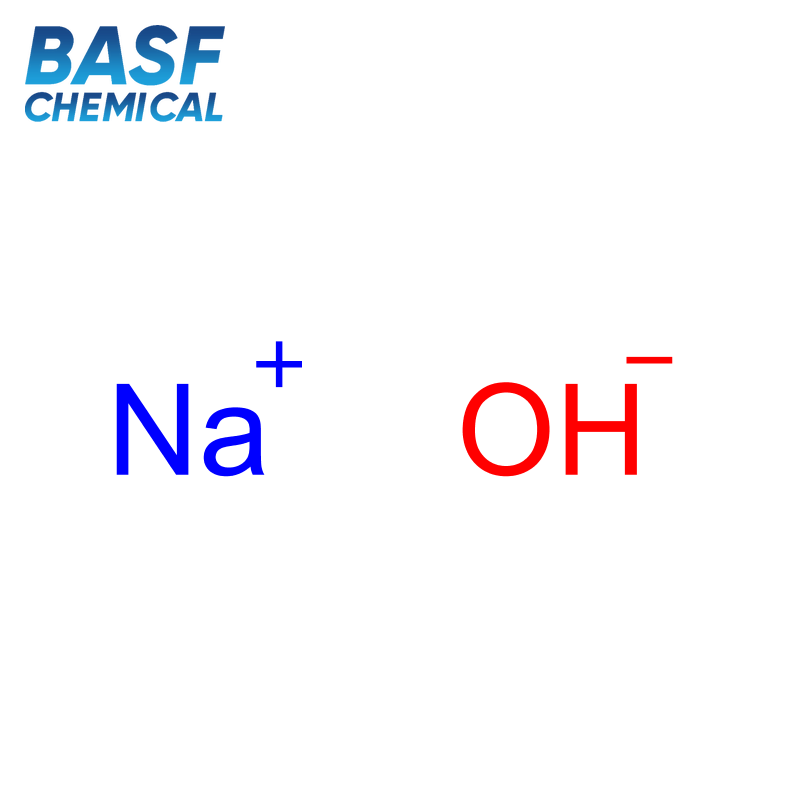
Molecular Formula: NaOH
Molecular Weight: 39.99711
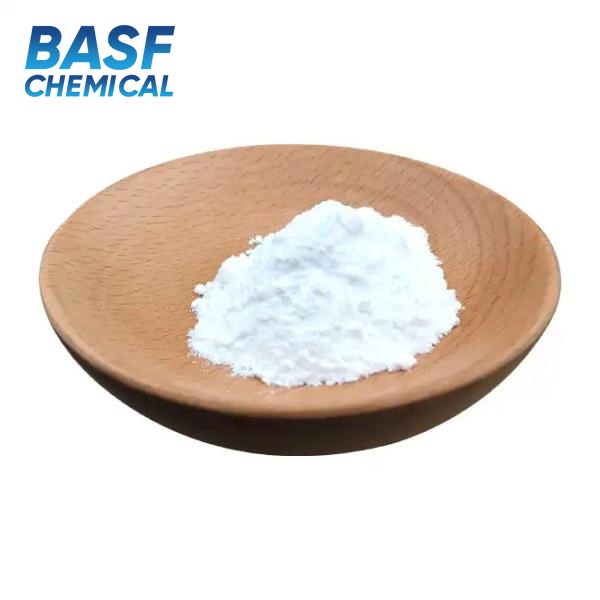
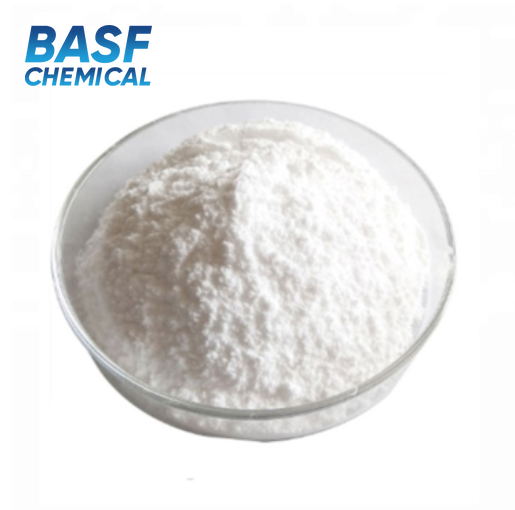
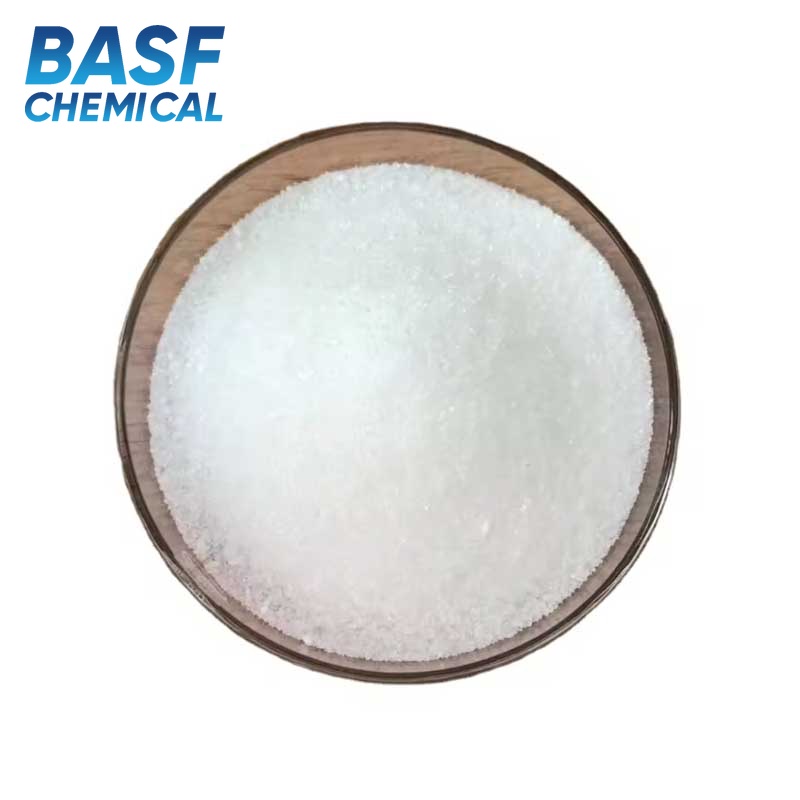
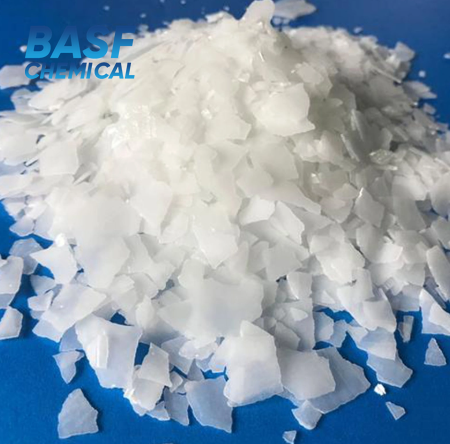
Sodium hydroxide, also known as caustic soda, has the chemical formula NaOH. It is a highly corrosive strong alkali, typically appearing as white flakes or granules. It readily mixes with water to form an alkaline solution and is also soluble in methanol and ethanol. Being deliquescent, it absorbs moisture from the air as well as acidic gases like carbon dioxide. Sodium hydroxide is one of the most widely used chemicals, essential in many industrial processes, including the production of paper pulp, textiles, soap, and other cleaning agents. It is also commonly used in household alkaline drain cleaners.
Chemical Properties
Safety Information
Product Usage
Sodium hydroxide has a broad range of applications. In chemical experiments, it serves not only as a reagent but also as an alkaline desiccant due to its strong hygroscopic properties. Caustic soda plays a vital role in the national economy, with numerous industrial sectors relying on it. The largest consumer is the chemical manufacturing industry, followed by paper production, aluminum and tungsten smelting, viscose fiber manufacturing, and soap production. It is also used in the manufacture of dyes, plastics, pharmaceuticals, organic intermediates, reclaimed rubber, metal sodium electrolysis, water treatment, and inorganic salt production such as borax, chromium salts, manganates, and phosphates.
Industrial sodium hydroxide must meet the requirements of national standard GB209-2006;
Industrial ion-exchange membrane sodium hydroxide should comply with GB/T11199-89;
Sodium hydroxide for chemical fiber should meet GB11212-89;
Food-grade sodium hydroxide must conform to GB5175-85.
In industrial contexts, sodium hydroxide is commonly referred to as caustic soda, a name derived from its ability to cause severe skin burns upon contact with concentrated solutions. It dissolves proteins, making alkali burns slower to heal than acid burns. A 0.02% solution instilled into rabbit eyes can damage the corneal epithelium. Toxicity data include: mouse intraperitoneal LD50 of 40 mg/kg and rabbit oral LDLo of 500 mg/kg. Dust can irritate the eyes and respiratory tract, corrode the nasal septum, and damage skin—especially mucous membranes—producing soft scabs that may penetrate deeply and leave permanent scars.














Q1:Does it support customized products?
A1:Yes, it does. Formulations can be adjusted and customized production can be carried out according to customer's industry needs and performance parameters.
Q2:Can samples be provided?
A2:We support free sample delivery and testing services to meet customers' early testing needs.
Q3:Is the product quality stable?
A3:With full-process quality inspection and control, there are minimal batch differences, and the purity and stability strictly meet the standards.
Q4:What is the shipping cycle?
A4:For regular inventory, we offer quick delivery. For customized orders, we arrange production according to demand and ensure timely delivery.
 Sodium TripolyphosphateCAS No.: 68585-34-2
Molecular Formula: C12H26Na2O5S
Molecular Weight: 328.38Learn More →
 Potassium SuperoxideCAS No.: 12030-88-5
Molecular Formula:KO2
Molecular Weight: 71.097Learn More →
 Sodium SulfateCAS No.: 7757-82-6
Molecular Formula: Na2SO4
Molecular weight: 142.04214Learn More →
 Titanium DioxideCAS No.: 13463-67-7
Molecular Formula: O2Ti
Molecular weight: 79.87Learn More →
 Calcium HydroxideCAS No.: 1305-62-0
Molecular Formula: Ca(OH)2
Molecular Weight: 74.0927Learn More →
 Potassium HydroxideCAS No.: 1310-58-3
Molecular Formula: KOH
Molecular Weight: 56.11Learn More →
 Barium sulfateCAS No.: 10028-22-5
Molecular Formula: Fe2(SO4)3
Molecular Weight: 399.878Learn More →
 Barium sulfateCAS No.: 7727-43-7
Molecular Formula: BaO4S
Molecular Weight: 233.39Learn More →