









Products
Navigation
Send Us A Message
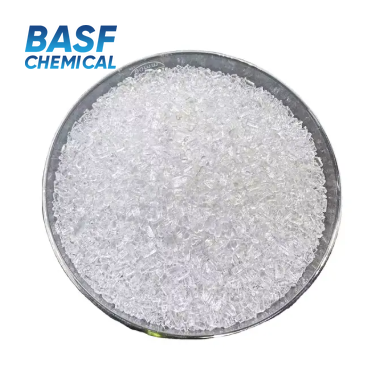
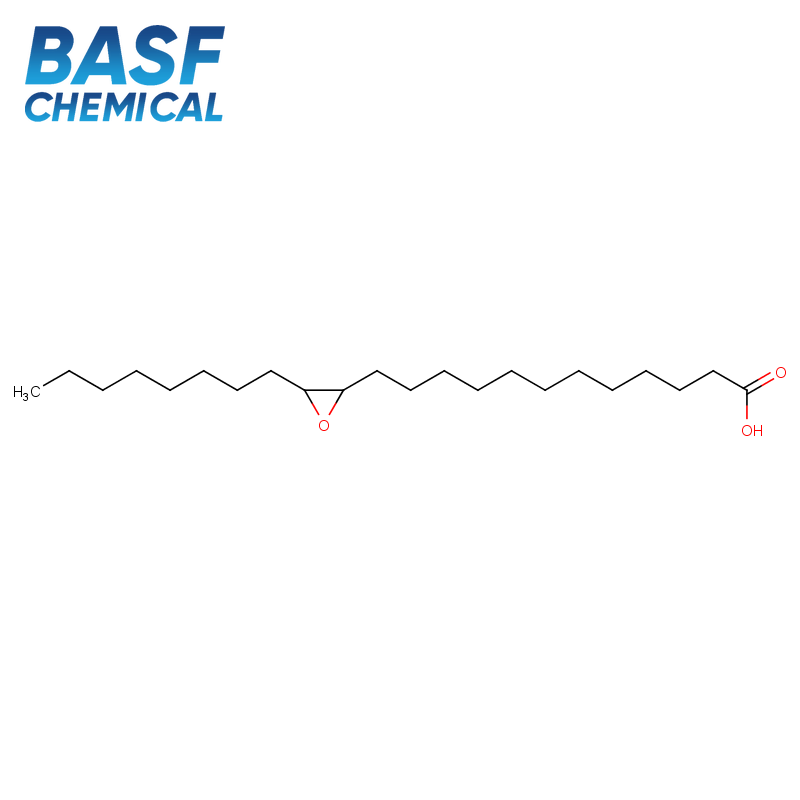
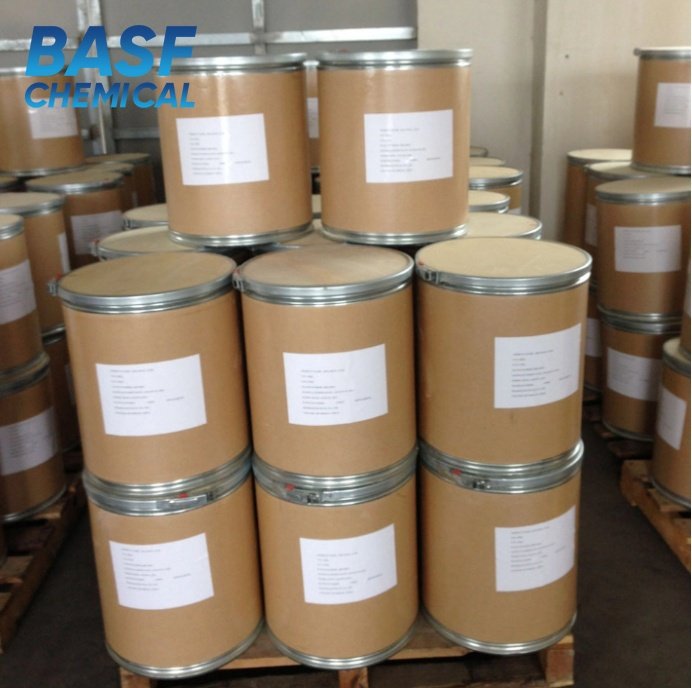
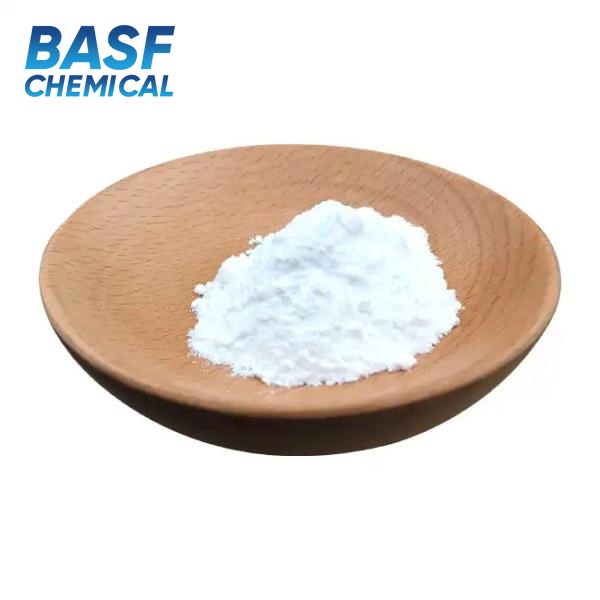
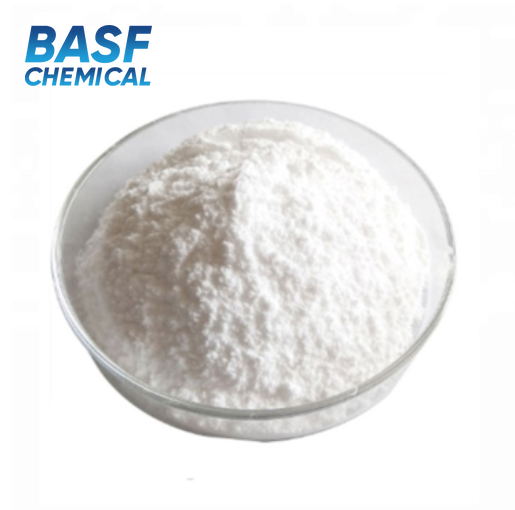
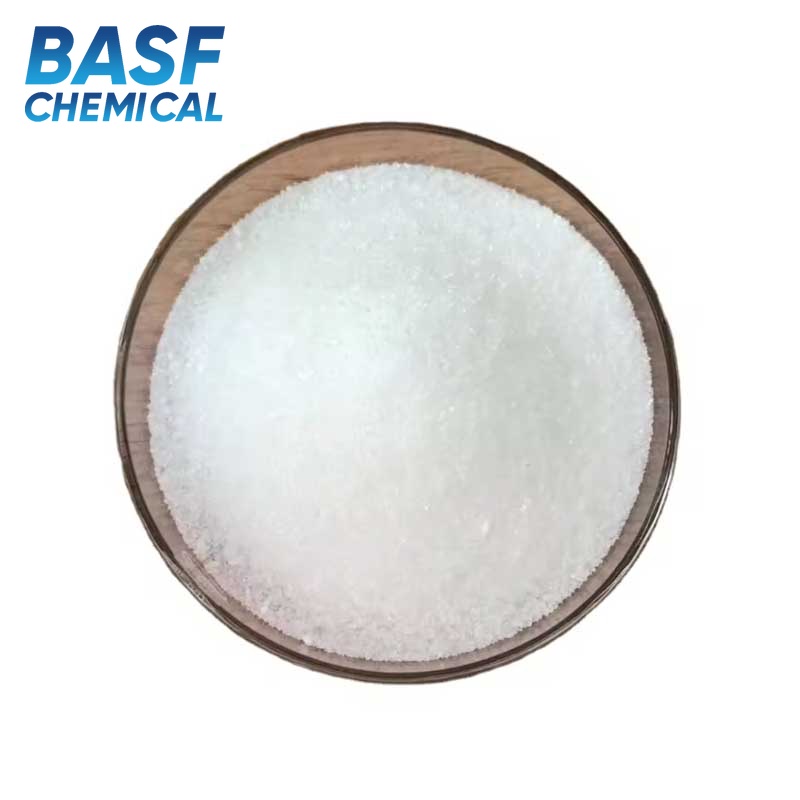
Polypropylene
Molecular Formula: (C3H6)n
Molecular weight: 42.078
Polypropylene (PP) is a high-molecular-weight polymer derived from propylene monomers. Depending on the polymerization method, its production can be categorized into five main processes: solution polymerization, slurry polymerization, bulk polymerization, gas-phase polymerization, and combined bulk–gas-phase polymerization. Structurally, polypropylene is primarily divided into isotactic, syndiotactic, and atactic forms. Among them, isotactic polypropylene is the most commonly used, accounting for more than 90% of all applications.
Atactic polypropylene is suitable for use in additives, adhesives, and modifiers. It serves as an effective carrier for modified masterbatches due to its high viscosity, good flow characteristics, and superior coating performance. Syndiotactic polypropylene offers benefits such as clarity, toughness, and flexibility, though its rigidity and hardness are only about half that of isotactic PP. It can undergo vulcanization similar to ethylene-propylene rubber, producing elastomers with mechanical properties surpassing those of conventional rubber.
Although its higher cost currently limits broader use, syndiotactic polypropylene holds strong development potential and is considered a promising new growth area for polypropylene resins, as well as an emerging synthetic resin for advanced material modification.
Chemical Properties
Product Usage
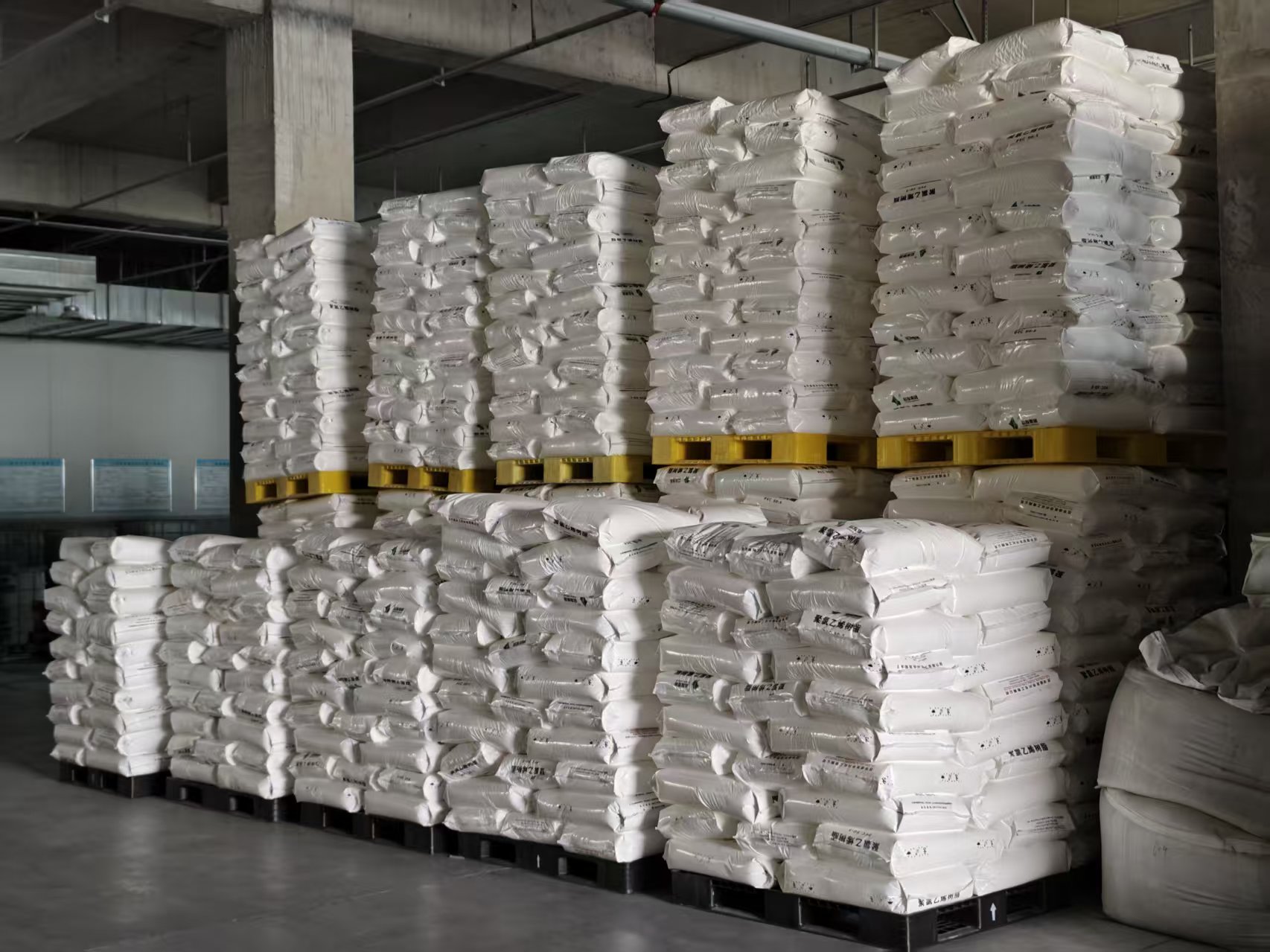
Polypropylene possesses outstanding processing performance and can be formed through multiple techniques to create a wide range of products for diverse applications. Injection-molded polypropylene is especially common, with general-purpose PP serving as the main material in everyday consumer items. In the automotive, home appliance, and industrial sectors, both pure and modified polypropylene are widely utilized. For instance, toughened PP is often used for automobile bumpers and wheel covers, while reinforced PP is applied in dashboards, steering wheels, fan blades, and handles.



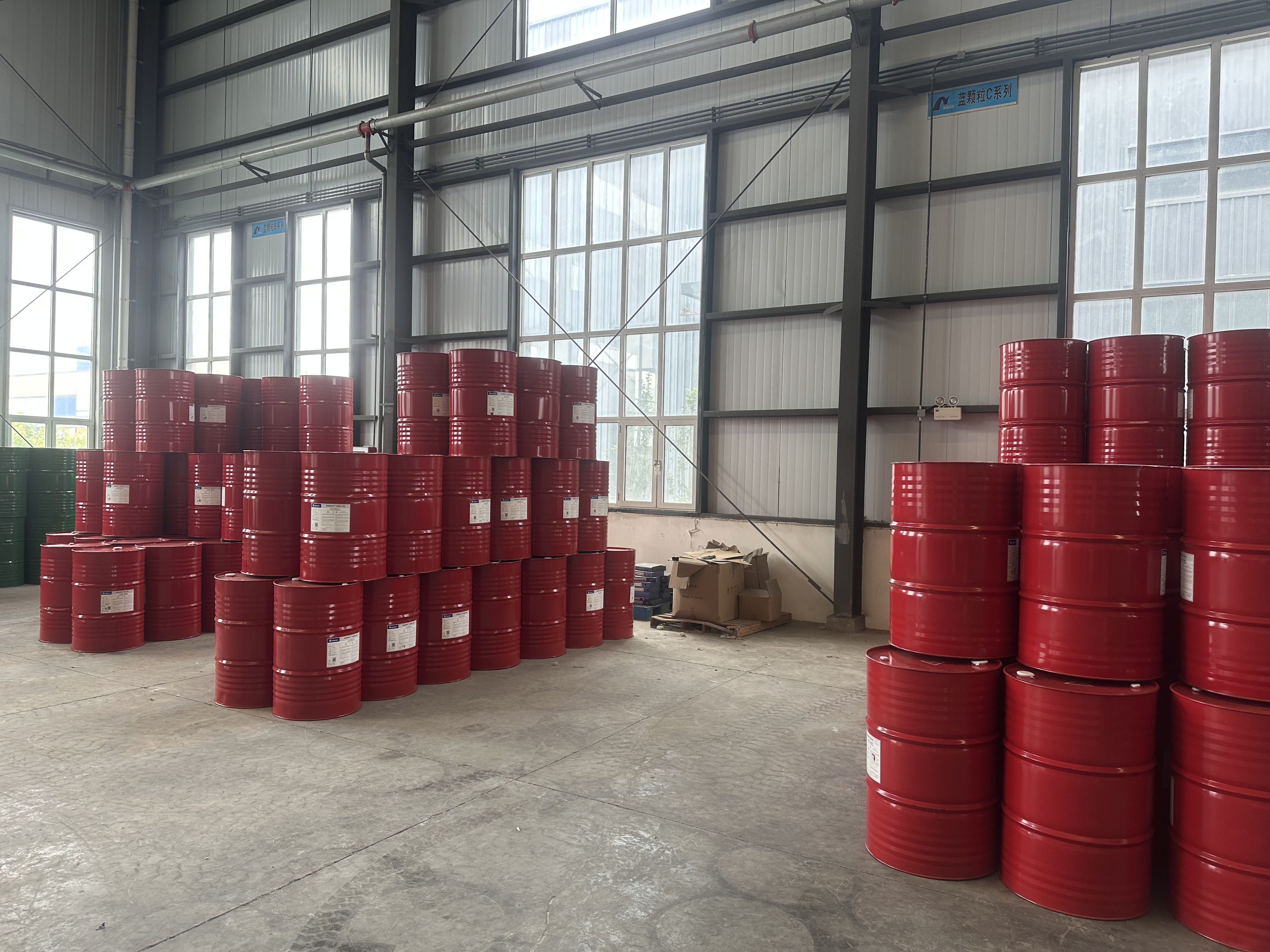
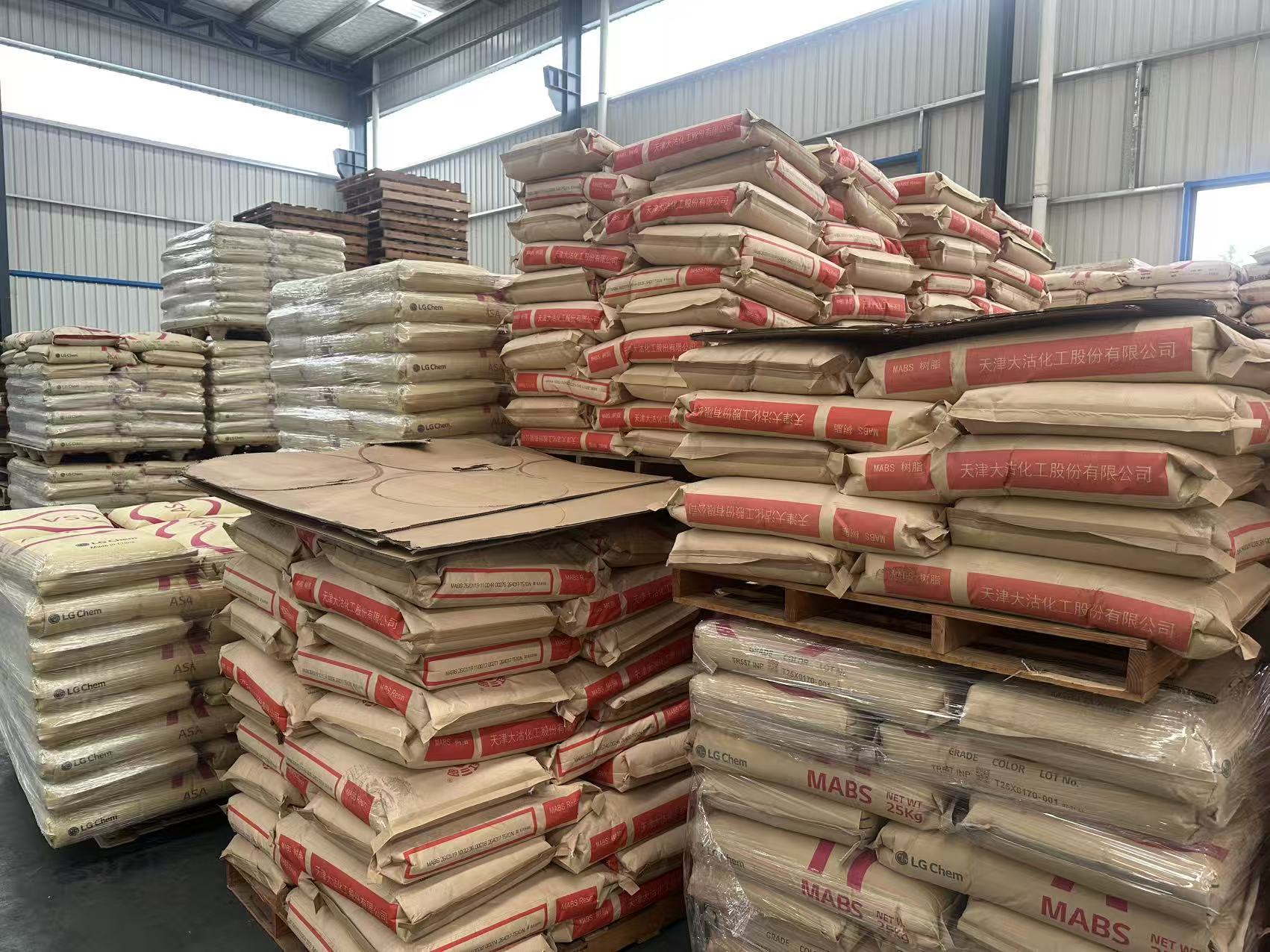
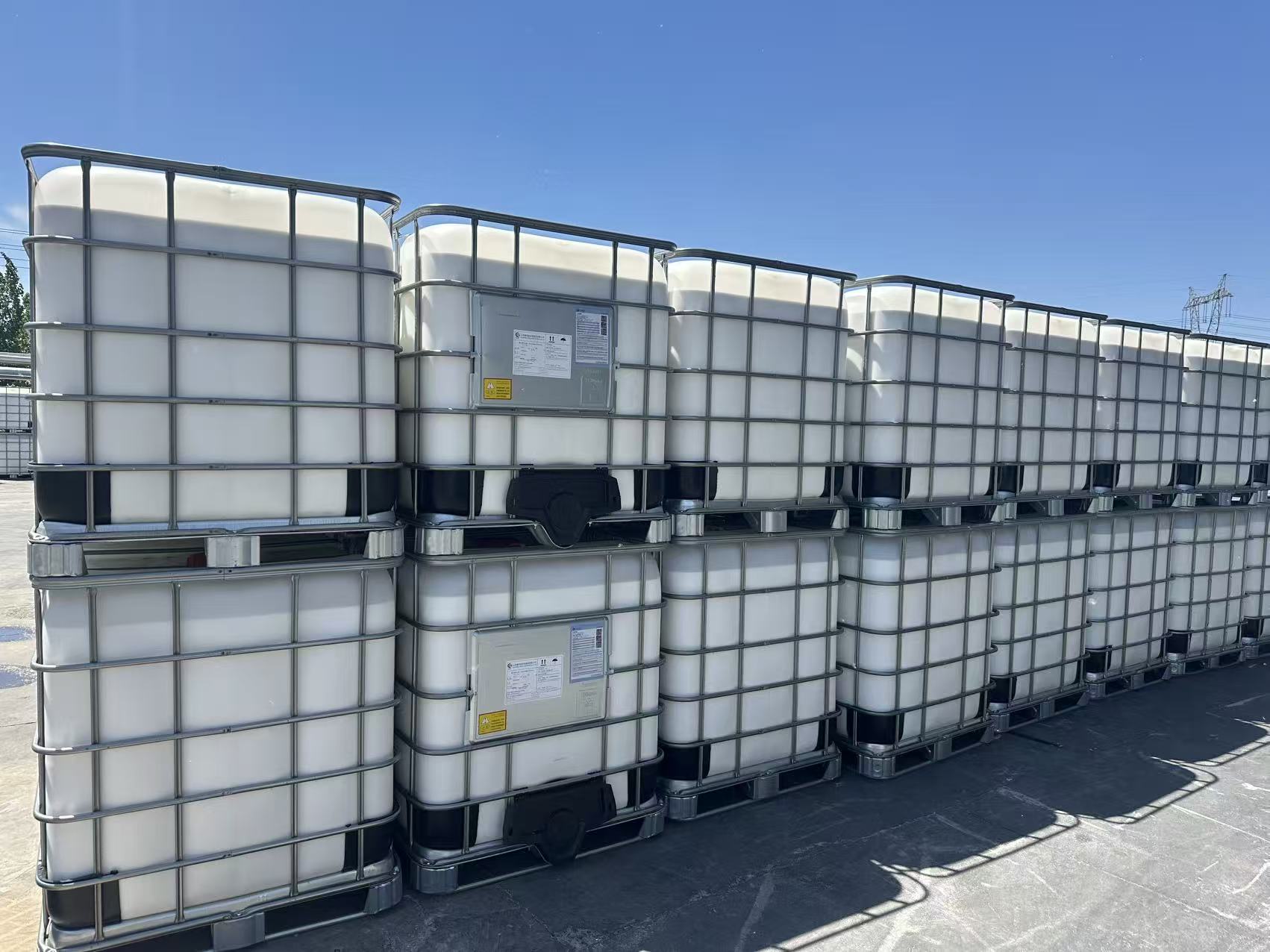
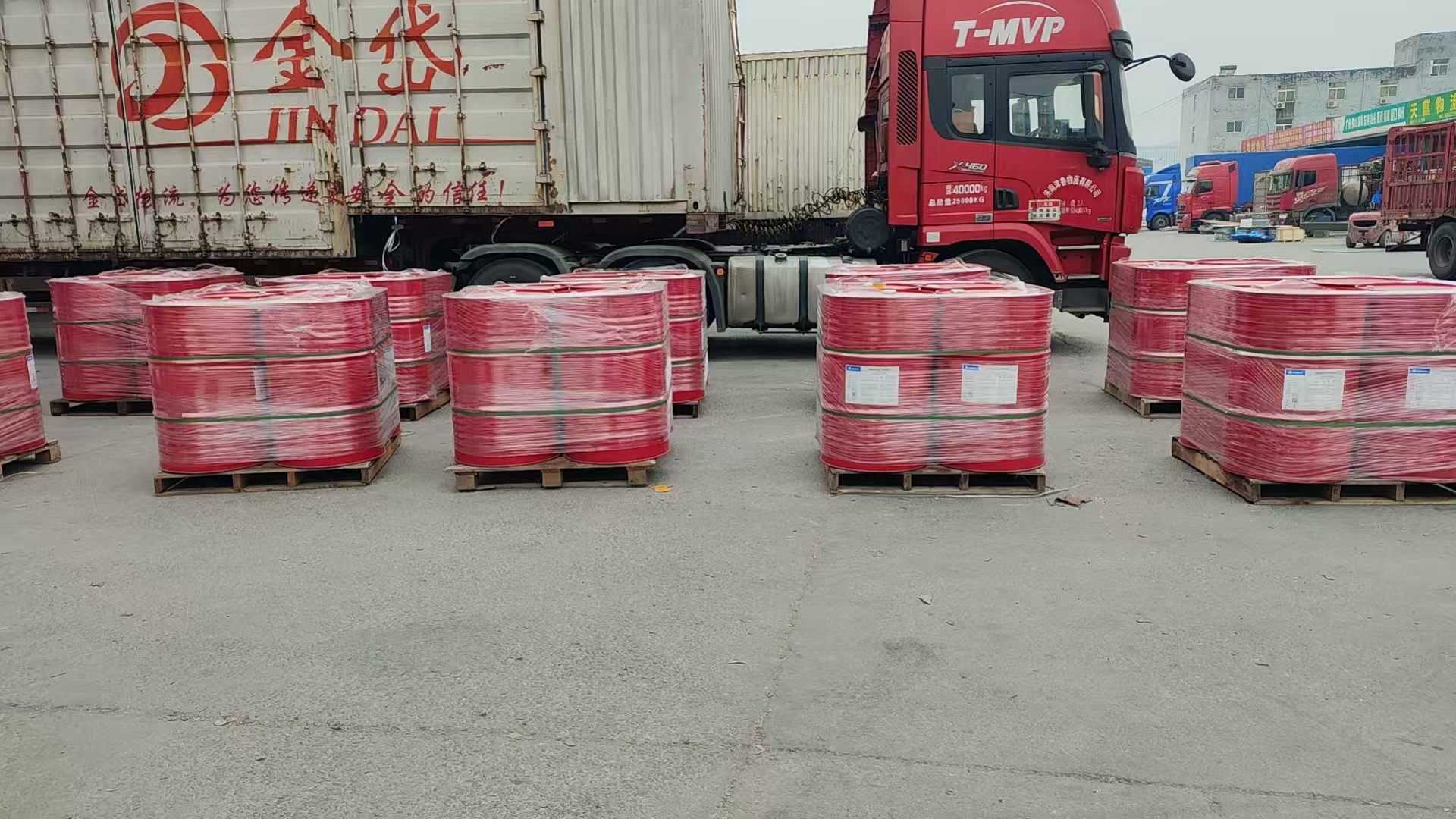
Q1:Does it support customized products?
A1:Yes, it does. Formulations can be adjusted and customized production can be carried out according to customer's industry needs and performance parameters.
Q2:Can samples be provided?
A2:We support free sample delivery and testing services to meet customers' early testing needs.
Q3:Is the product quality stable?
A3:With full-process quality inspection and control, there are minimal batch differences, and the purity and stability strictly meet the standards.
Q4:What is the shipping cycle?
A4:For regular inventory, we offer quick delivery. For customized orders, we arrange production according to demand and ensure timely delivery.
 AcrylamideCAS No.: 79-06-1
Molecular Formula: C3H5NO
Molecular Weight: 71.08Learn More →
 Ethylene OxideCAS No.:75-21-8
Molecular Formula:C2H4O
Molecular Weight: 44.05256Learn More →
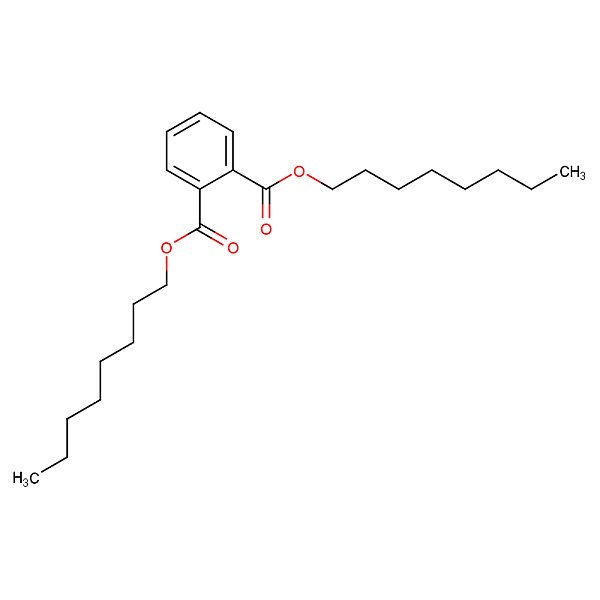
 Dioctyl PhthalateCAS No.:117-84-0
Molecular Formula:C24H38O4
Molecular Weight: 390.55600Learn More →
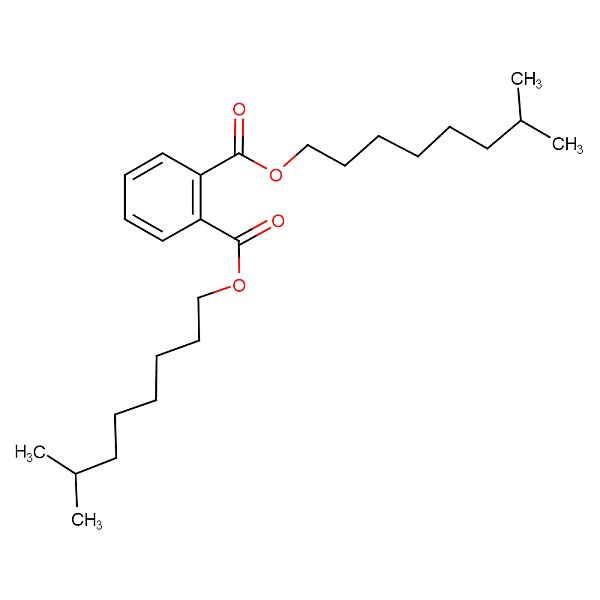
 Diisongnyl PhthalateCAS No.:28553-12-0
Molecular Formula:C26H42O4
Molecular Weight: 418.60928Learn More →
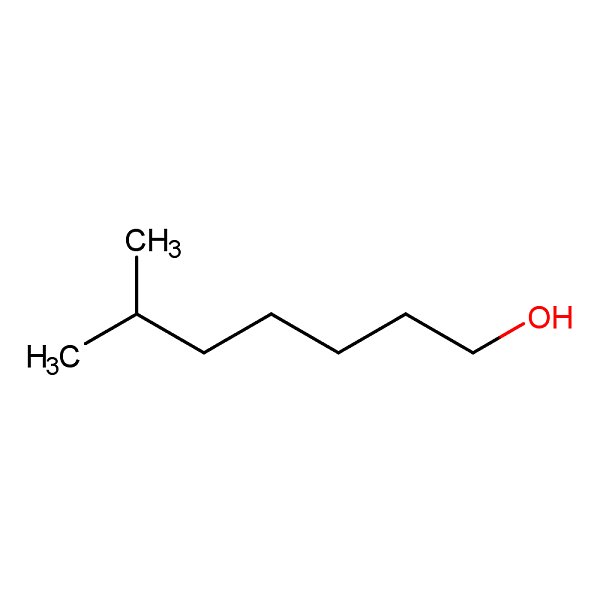
 Is00ctyl AlcoholCAS No.: 26952-21-6
Molecular Formula:C8H18O
Molecular Weight: 130.2296Learn More →
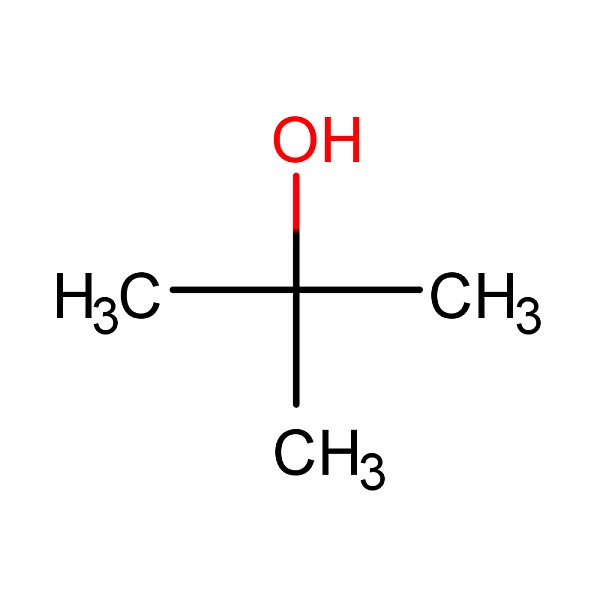
 Tert-ButanolCAS No.:75-65-0
Molecular Formula:C4H10O
Molecular Weight: 74.123Learn More →
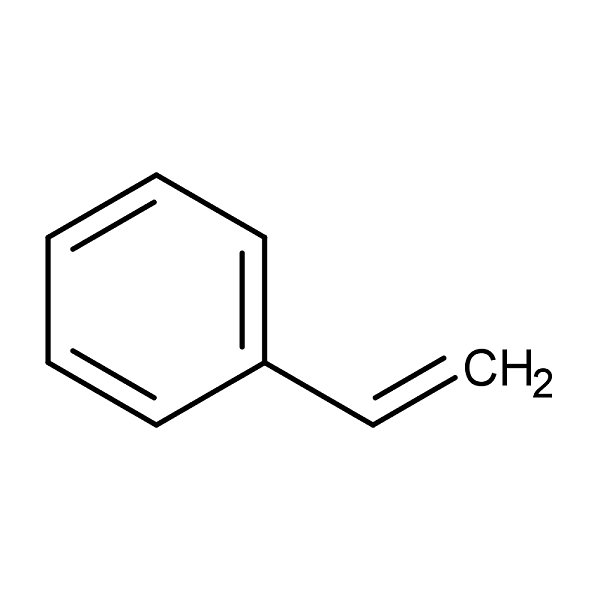
 StyreneCAS No.: 100-42-5
Molecular Formula:C8H8
Molecular Weight: 104.14912Learn More →
") Neopentyl Glycol(NPG)CAS No.: 126-30-7
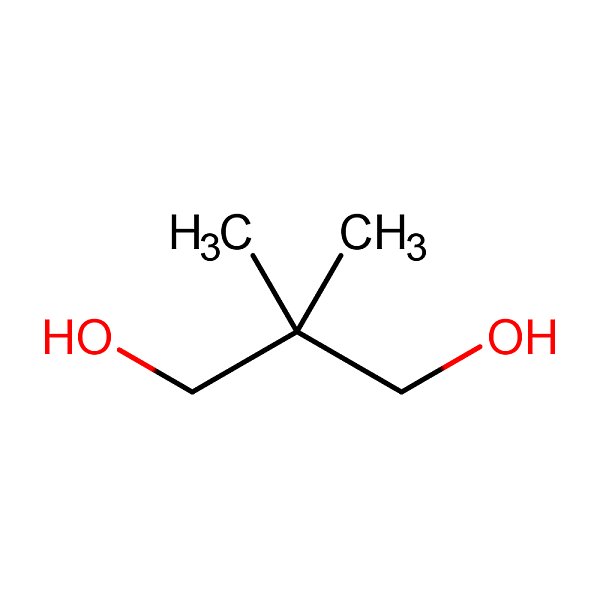
Neopentyl Glycol(NPG)CAS No.: 126-30-7
Molecular Formula: C5H12O2
Molecular Weight: 104.15Learn More →