









Products
Navigation
Send Us A Message
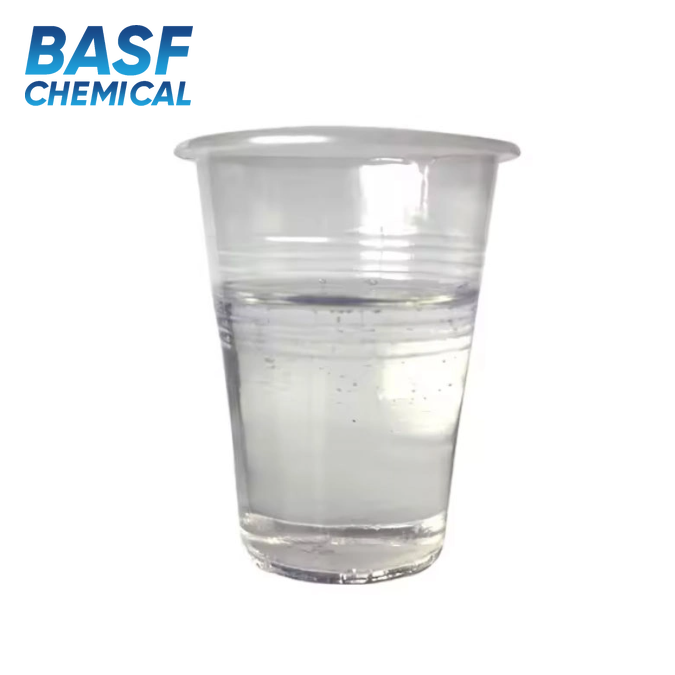
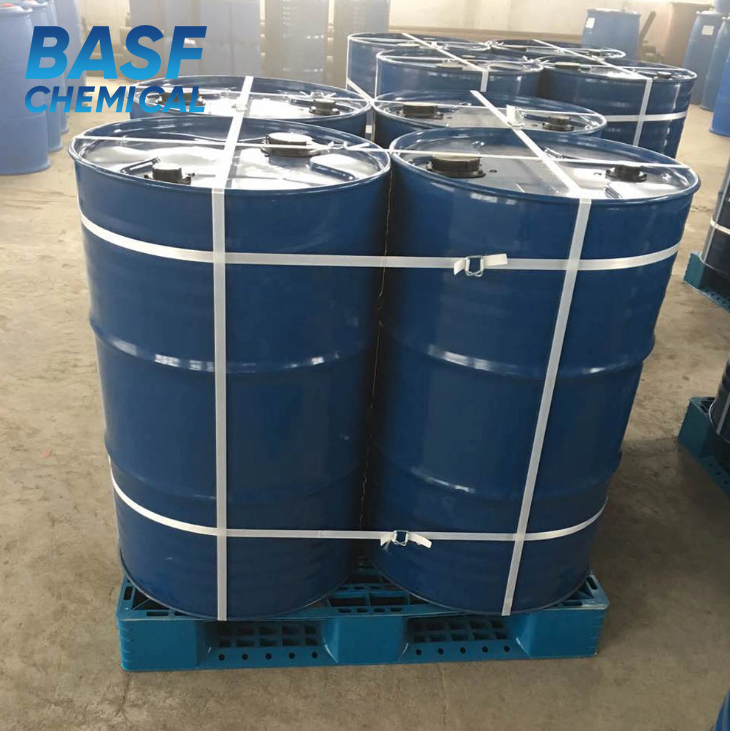
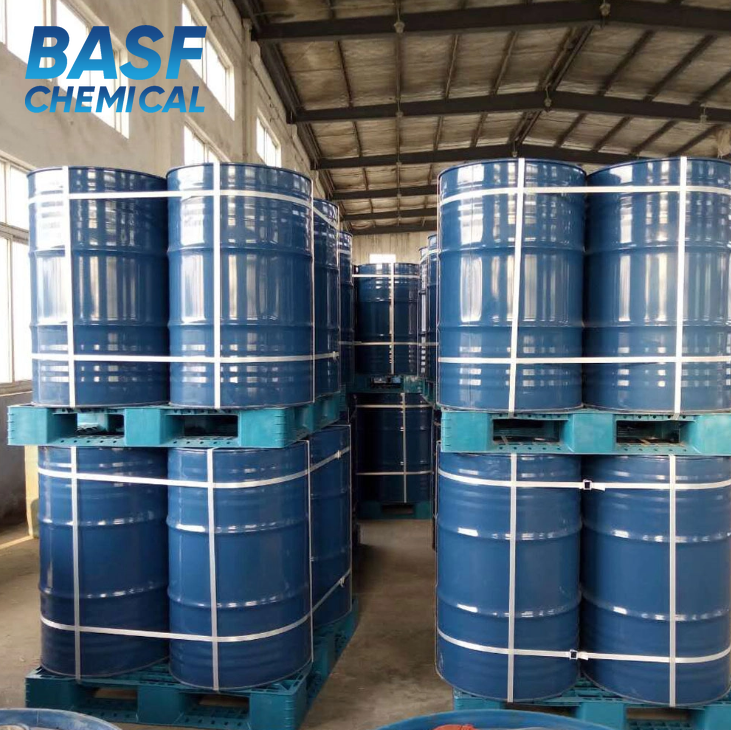
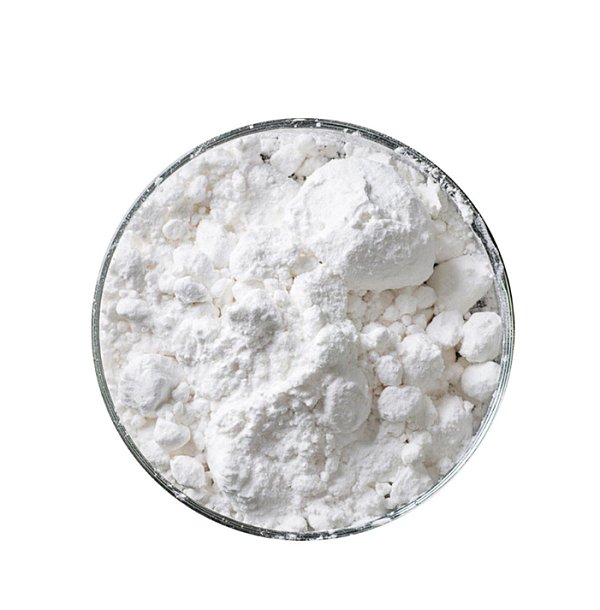
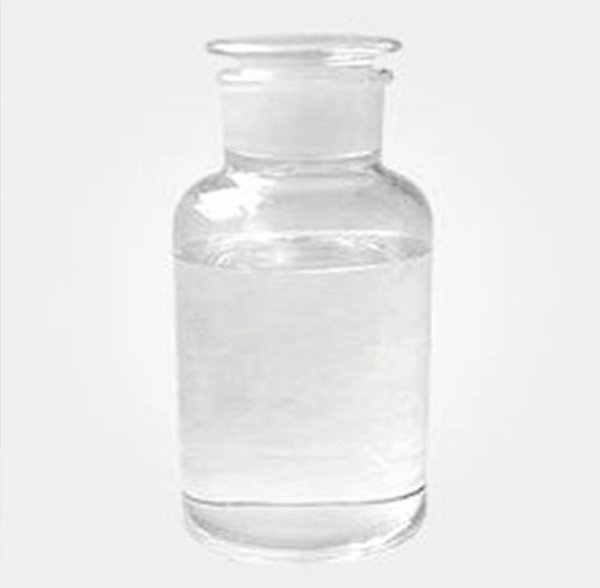
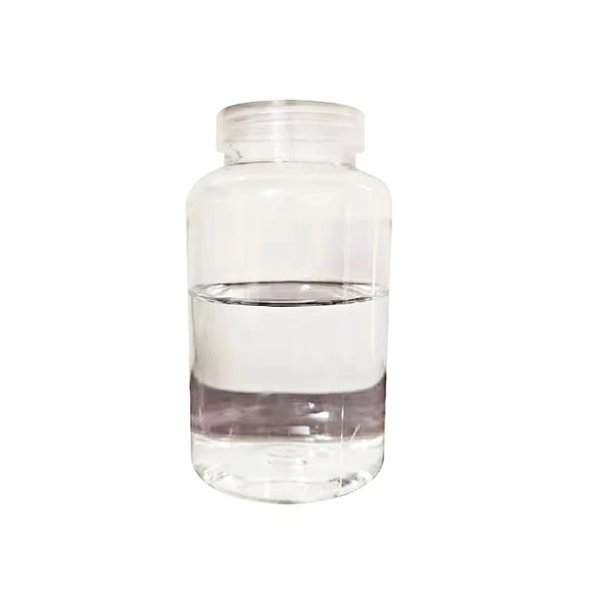
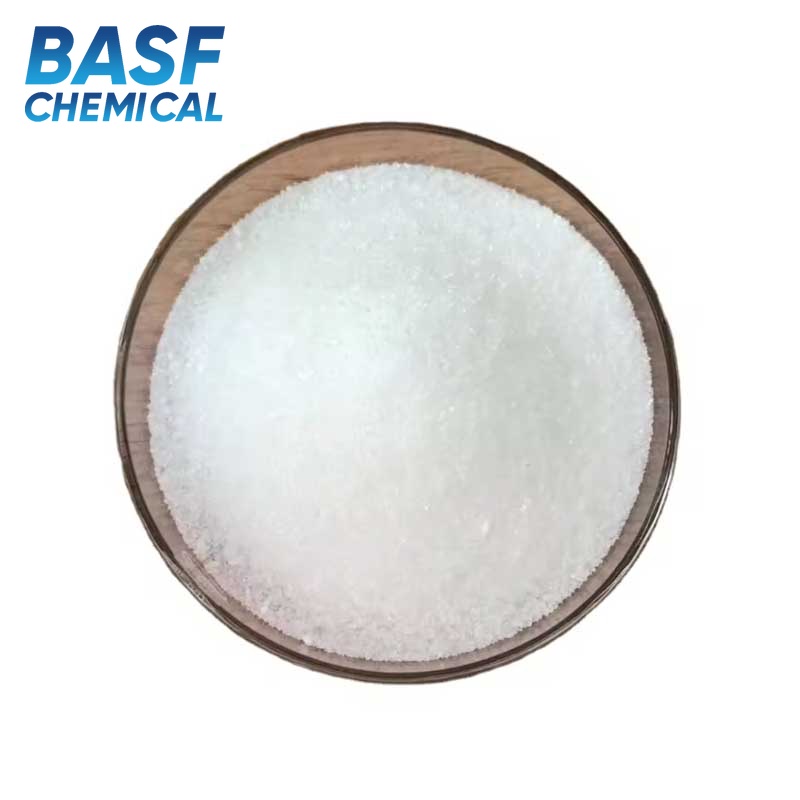
Aniline
Molecular Formula: C6H7N
Molecular weight: 93.13
It is convenient to produce salt when it reacts with acid. The hydrogen atoms on its amino organizations can be substituted with the aid of alkyl or acyl corporations to produce 2nd or 1/3 grade aniline and acyl aniline. When substitution response occurs, the merchandise of ortho and para substituted merchandise are primarily produced. It reacts with nitrite to structure diazonium salts, which can be used to produce a sequence of benzene derivatives and azo compounds.
Chemical Properties
Safety Information
Product Usage
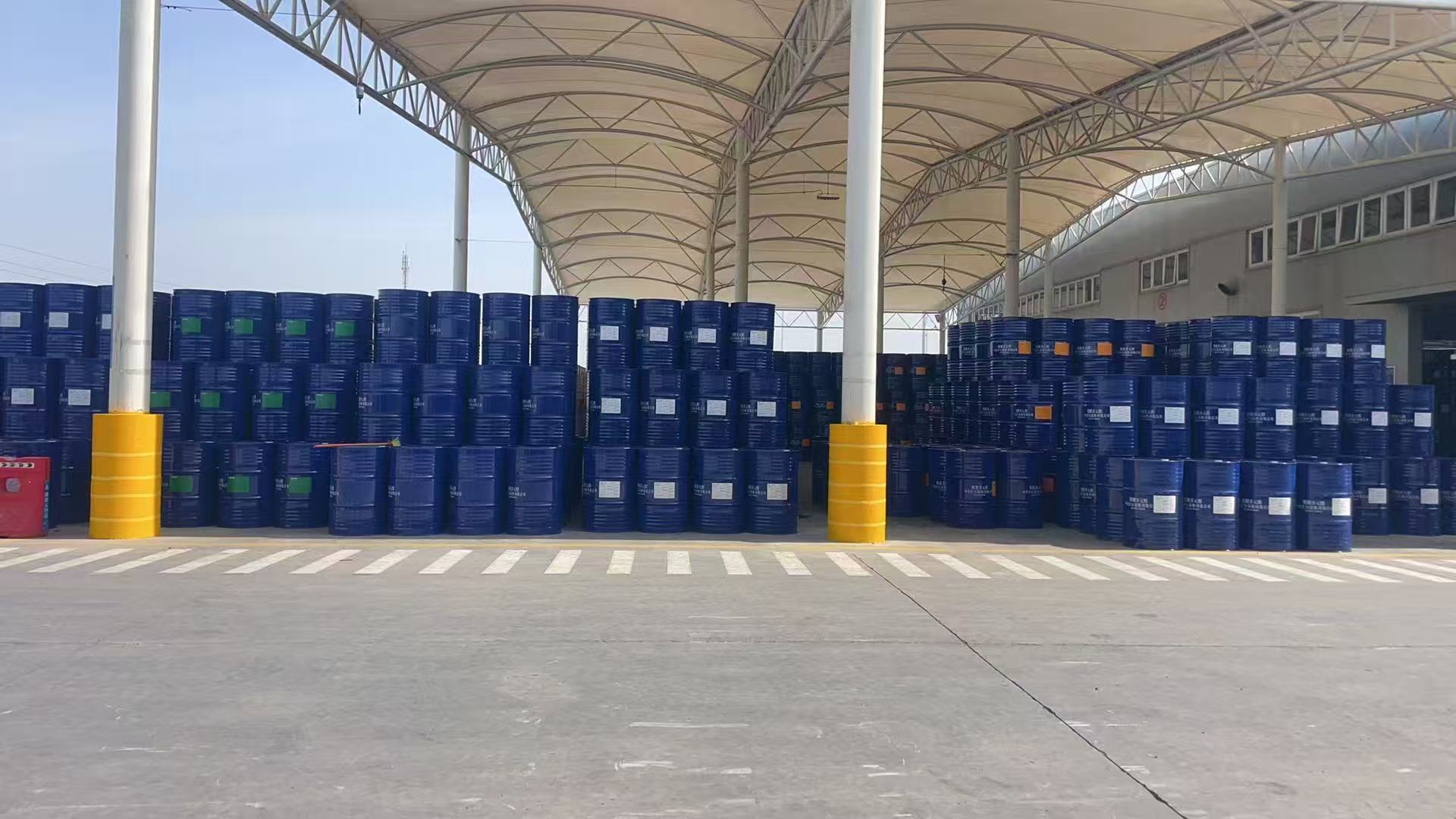
Aniline is a fundamental organic base and one of the most important intermediates in the chemical industry. Its most prominent application is in the production of MDI (Methylene diphenyl diisocyanate), a key component for polyurethane foams used in insulation and automotive seating. In the dye and pigment industry, aniline is the essential precursor for synthesizing indigo and various azo dyes for textiles and leather. Additionally, it plays a vital role in the rubber industry as an antioxidant and vulcanization accelerator. It is also a critical building block in the pharmaceutical sector for manufacturing sulfa drugs and analgesics, as well as in the production of herbicides for agriculture.




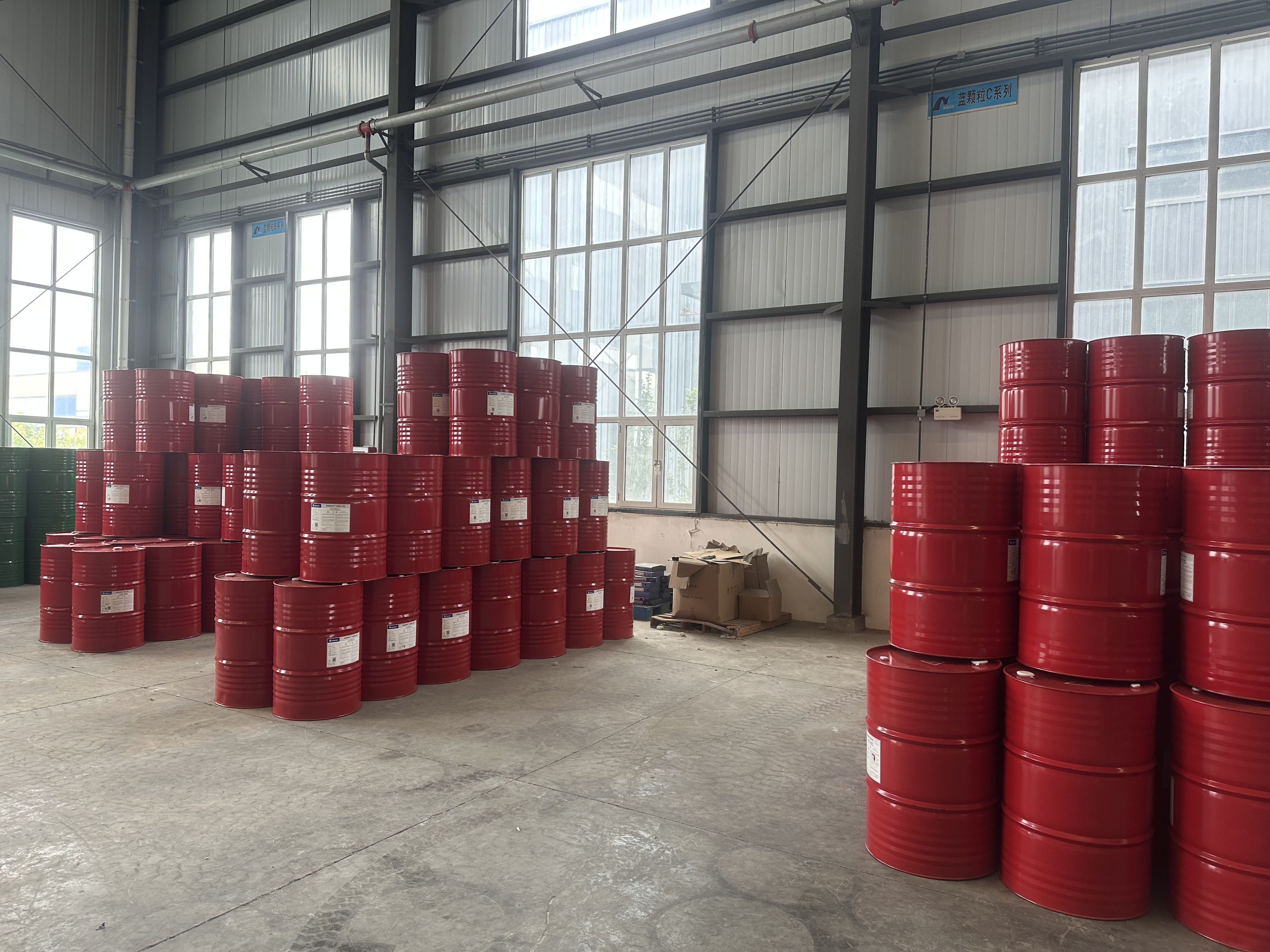
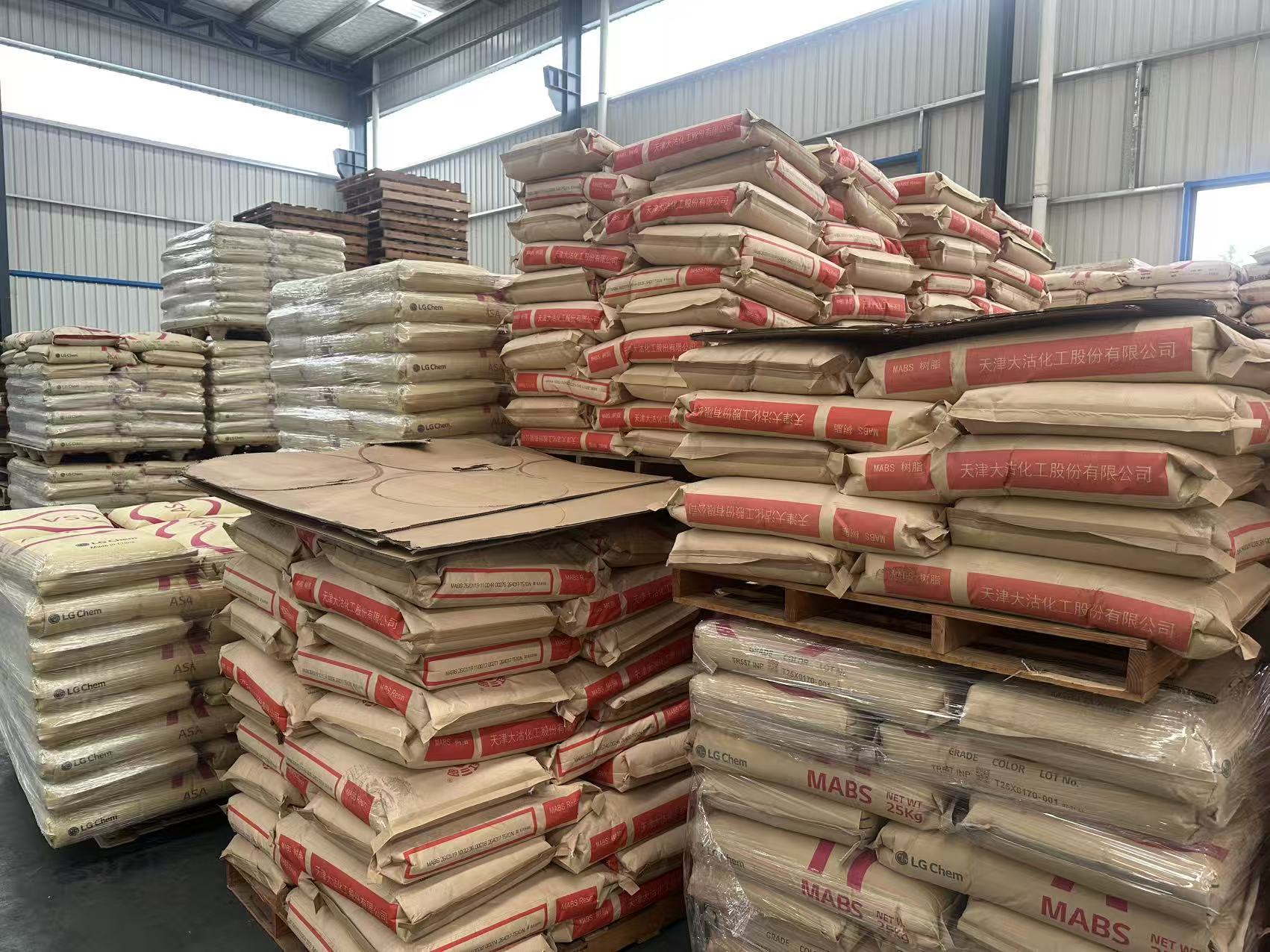
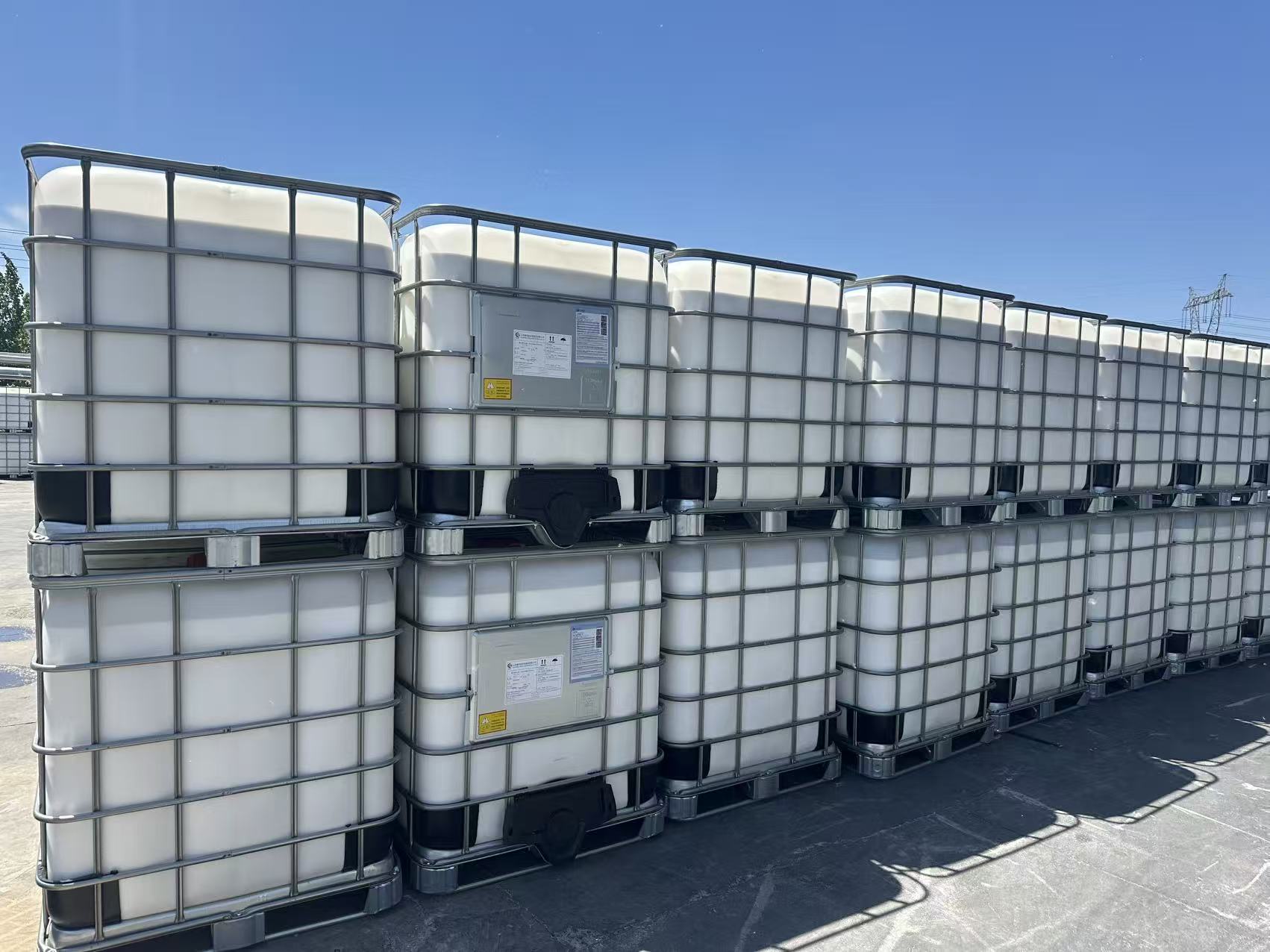
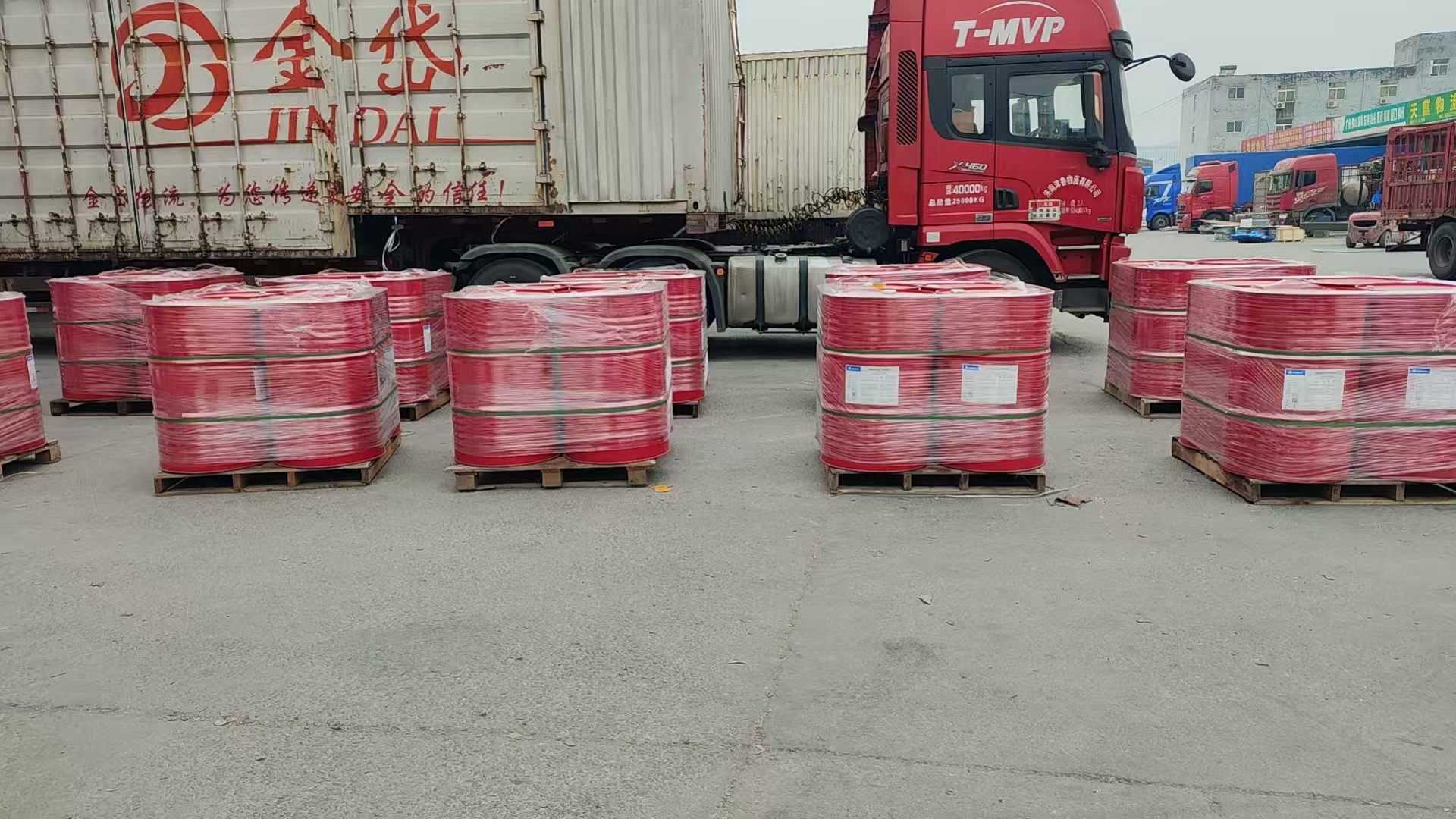
Q1:Does it support customized products?
A1:Yes, it does. Formulations can be adjusted and customized production can be carried out according to customer's industry needs and performance parameters.
Q2:Can samples be provided?
A2:We support free sample delivery and testing services to meet customers' early testing needs.
Q3:Is the product quality stable?
A3:With full-process quality inspection and control, there are minimal batch differences, and the purity and stability strictly meet the standards.
Q4:What is the shipping cycle?
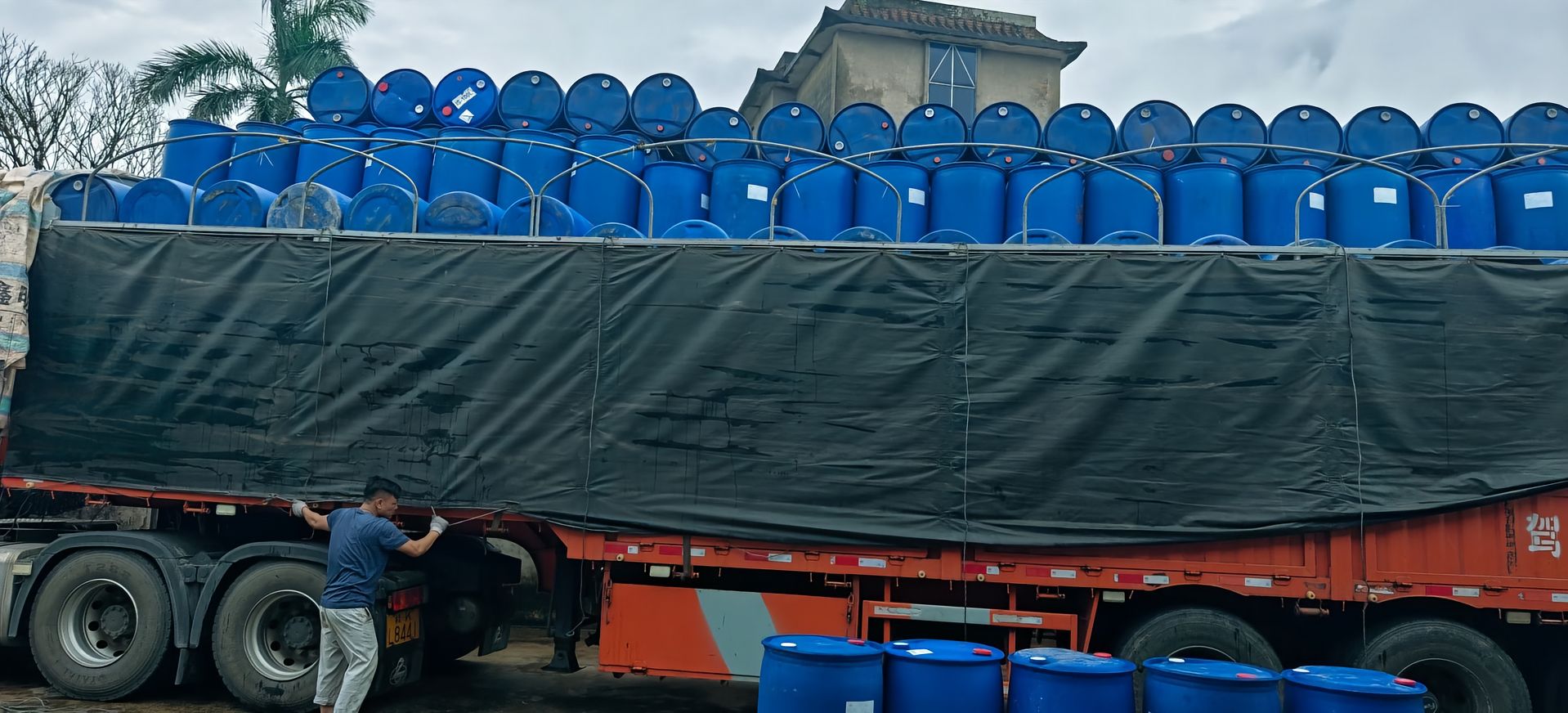
A4:For regular inventory, we offer quick delivery. For customized orders, we arrange production according to demand and ensure timely delivery.
 Sodium amideCAS No.: 7782-92-5
Molecular Formula: H2NNa
Molecular weight: 39.01Learn More →
 Oxalic AcidCAS No.: 144-62-7
Molecular Formula: C2H2O4
Molecular weight: 90.03Learn More →
 Sodium hydroxideCAS No.: 1310-73-2
Molecular Formula: NaOH
Molecular weight: 39.99711Learn More →
 MethanolCAS No.: 67-56-1
Molecular Formula: CH4O
Molecular weight: 32.04Learn More →
 N,N-DimethylformamideCAS No.: 68-12-2
Molecular Formula: C3H7NO
Molecular weight: 73.09Learn More →
 Ethylene glycolCAS No.: 107-21-1
Molecular Formula: C2H6O2
Molecular weight: 62.07Learn More →
 AnilineCAS No.: 62-53-3
Molecular Formula: C6H7N
Molecular weight: 93.13Learn More →
 FormaldehydeCAS No.:50-00-0
Molecular Formula:CH2O
Molecular weight:30.03Learn More →