









Products
Navigation
Send Us A Message
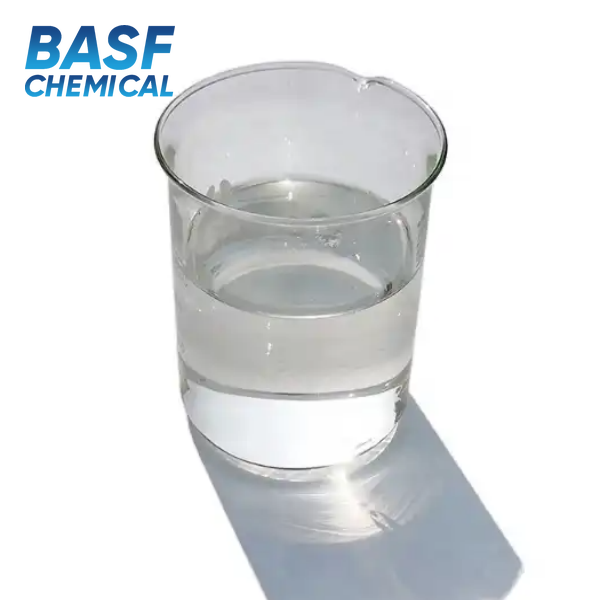
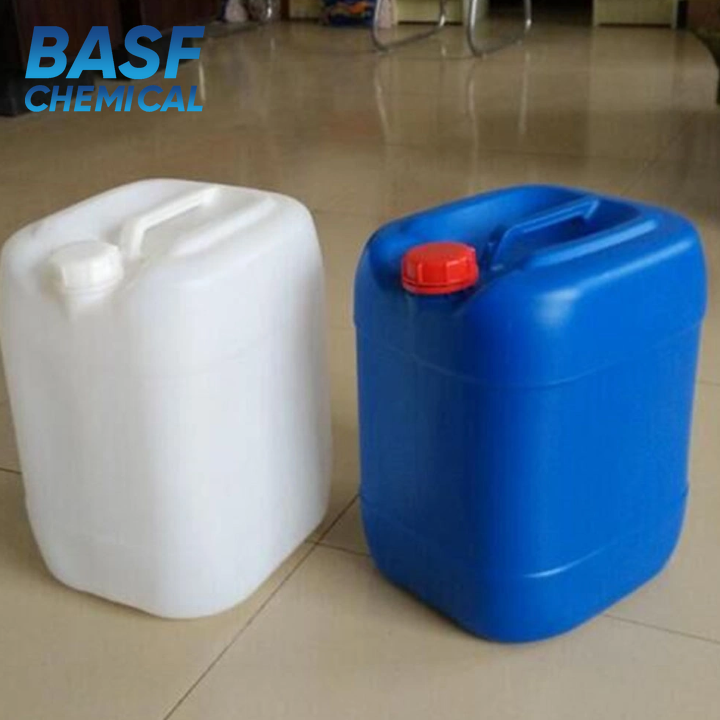
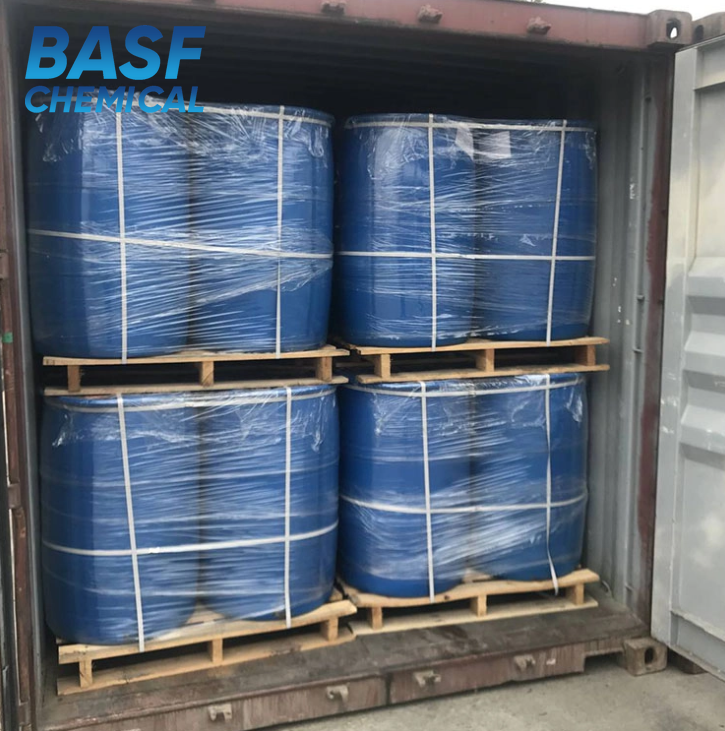
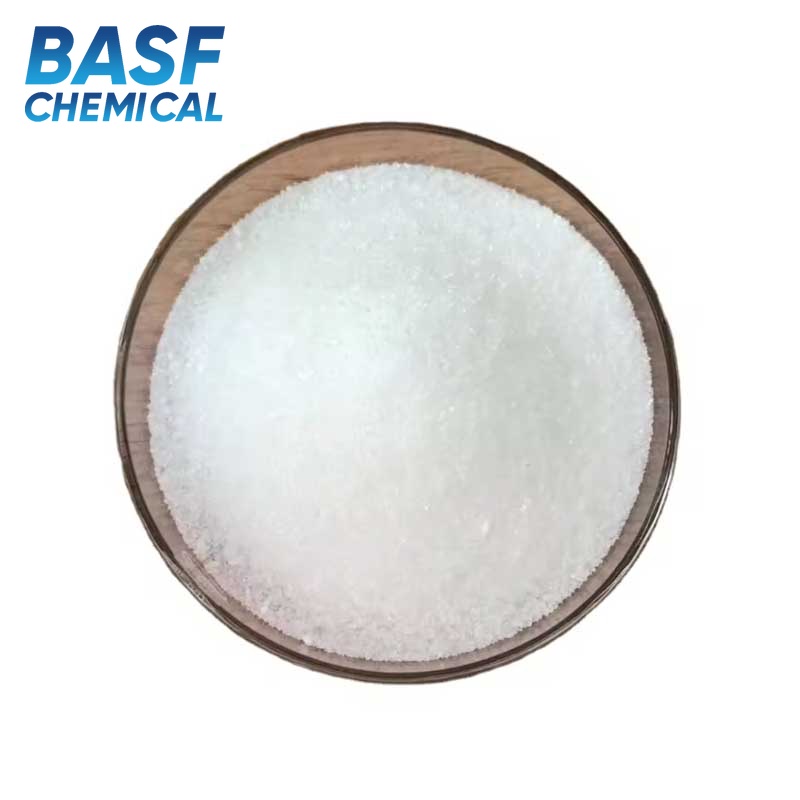
Acrylonitrile
Molecular Formula: C3H3N
Molecular weight: 53.06
Acrylonitrile is a colourless, flammable liquid. Its vapours might also explode when uncovered to an open flame. Acrylonitrile does now not take place naturally. It is produced in very giant quantities through numerous chemical industries in the United States, and its requirement and demand are growing in latest years. Acrylonitrile is a closely produced, unsaturated nitrile. It is used to make different chemical compounds such as plastics, artificial rubber, and acrylic fibres. It has been used as a pesticide fumigant in the past; however, all pesticide makes use of have been discontinued. This compound is a principal chemical intermediate used in developing merchandise such as pharmaceuticals, antioxidants, and dyes, as nicely as in natural synthesis. The biggest customers of acrylonitrile are chemical industries that make acrylic and modacrylic fibres and high-impact ABS plastics. Acrylonitrile is additionally used in commercial enterprise machines, luggage, building material, and manufacturing of styrene-acrylonitrile (SAN) plastics for automotive, family goods, and packaging material. Adiponitrile is used to make nylon, dyes, drugs, and pesticides.
Safety Information
Product Usage
Neomycin Sulfate is a broad-spectrum aminoglycoside antibiotic primarily used for its potent antibacterial activity against Gram-negative and some Gram-positive bacteria. In the pharmaceutical industry, its most common application is in topical formulations, including ointments, creams, and eye drops, to treat skin infections, wounds, and ocular inflammations. Due to its poor absorption in the digestive tract, it is also administered orally as an intestinal antiseptic to suppress bacterial flora before abdominal surgery or to manage hepatic encephalopathy. Furthermore, it is widely utilized in veterinary medicine to treat gastrointestinal infections in livestock and as a selective agent in molecular biology research to prevent microbial contamination in cell cultures.



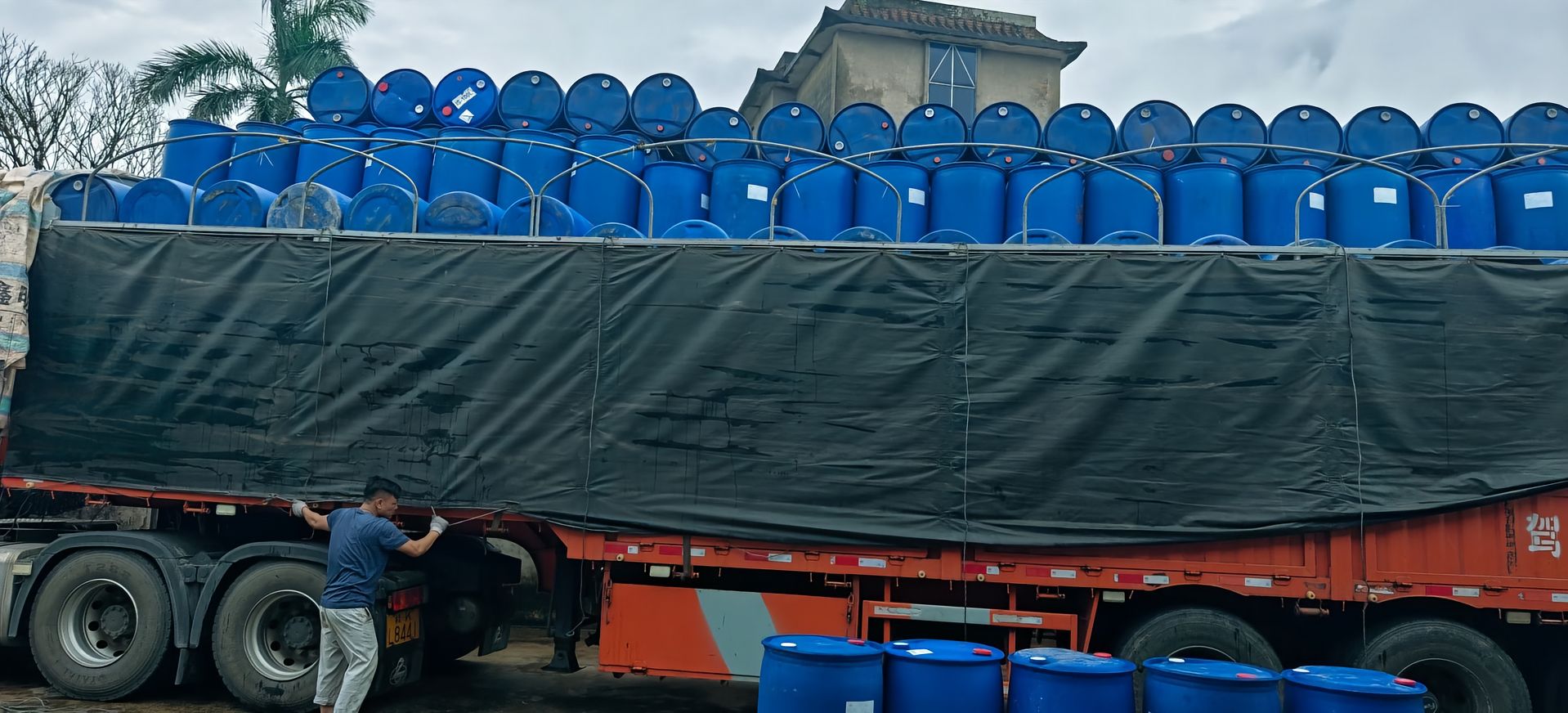
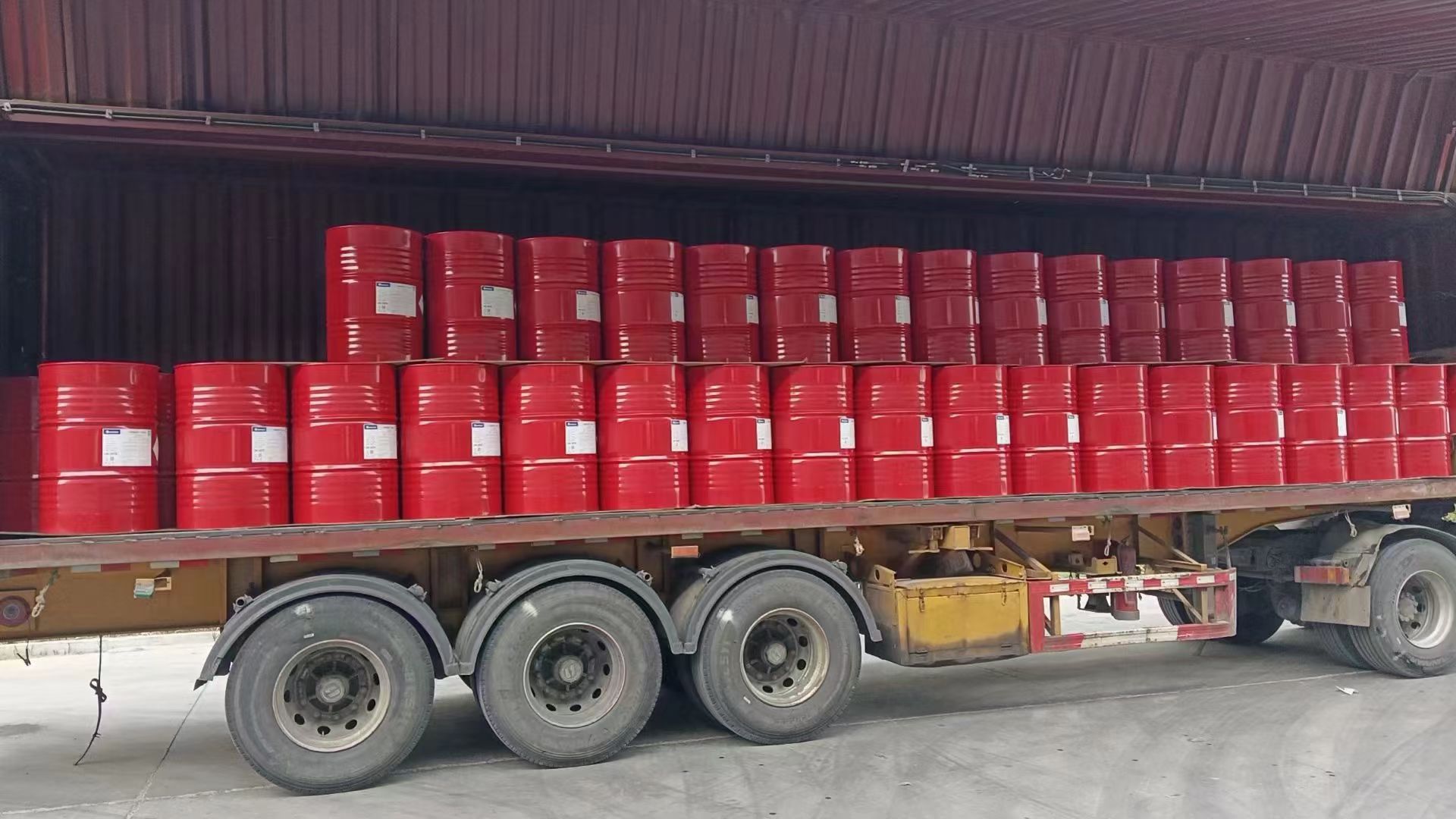
Q1:Does it support customized products?
A1:Yes, it does. Formulations can be adjusted and customized production can be carried out according to customer's industry needs and performance parameters.
Q2:Can samples be provided?
A2:We support free sample delivery and testing services to meet customers' early testing needs.
Q3:Is the product quality stable?
A3:With full-process quality inspection and control, there are minimal batch differences, and the purity and stability strictly meet the standards.
Q4:What is the shipping cycle?
A4:For regular inventory, we offer quick delivery. For customized orders, we arrange production according to demand and ensure timely delivery.
 Sodium amideCAS No.: 7782-92-5
Molecular Formula: H2NNa
Molecular weight: 39.01Learn More →
 Oxalic AcidCAS No.: 144-62-7
Molecular Formula: C2H2O4
Molecular weight: 90.03Learn More →
 Sodium hydroxideCAS No.: 1310-73-2
Molecular Formula: NaOH
Molecular weight: 39.99711Learn More →
 MethanolCAS No.: 67-56-1
Molecular Formula: CH4O
Molecular weight: 32.04Learn More →
 N,N-DimethylformamideCAS No.: 68-12-2
Molecular Formula: C3H7NO
Molecular weight: 73.09Learn More →
 Ethylene glycolCAS No.: 107-21-1
Molecular Formula: C2H6O2
Molecular weight: 62.07Learn More →
 AnilineCAS No.: 62-53-3
Molecular Formula: C6H7N
Molecular weight: 93.13Learn More →
 FormaldehydeCAS No.:50-00-0
Molecular Formula:CH2O
Molecular weight:30.03Learn More →